
Can Chickens Eat Popcorn Kernels? The Honest Answer
Wondering if you can give your chickens popcorn? The short answer is yes, but with important precautions.
Plain, air-popped popcorn can be an occasional treat, as long as you avoid unpopped kernels, which pose serious choking risks.
Keep reading to learn how to safely offer popcorn without putting your chickens at risk.
Can Chickens Eat Popcorn? The Short Answer
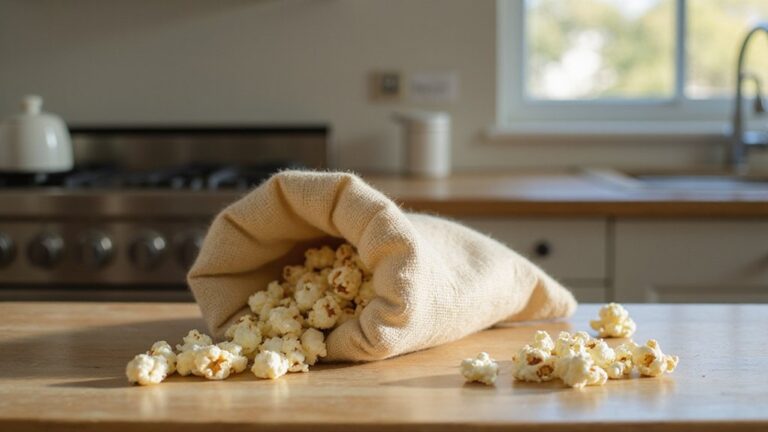
Chickens can eat plain, air-popped popcorn in moderation. Ensure all seasonings like salt, butter, sugar, and cheese are completely removed before offering it to your flock, as these add-ons can be harmful. Keep the popcorn unseasoned and free from any additives. Break larger popcorn pieces into smaller sizes to prevent chickens from choking or swallowing large kernels. For the best results, use a popcorn maker to create plain air-popped kernels that match the quality recommended for human consumption. Limit popcorn to no more than 10 percent of their daily diet and supervise them while they eat to avoid any potential issues. Using simple, unseasoned popcorn is a safe treat that can delight your chickens without risking their health. To ensure you’re offering a treat that stays fresh and appealing, store leftover popcorn in an airtight freezer container to prevent staleness and maintain its texture, just as you would for high-quality frozen treats. Always serve this snack with a dedicated serving utensil to maintain cleanliness and prevent cross-contamination, mirroring the hygienic practices recommended for food service operations.
What’s the Difference Between Popped Popcorn and Kernels?
Popped popcorn is light, airy, and brittle, while kernels are dense, hard grains that still contain their original moisture. When popcorn is finished popping, it has only about 1 to 2 percent moisture, whereas unpopped kernels typically hold around 14 percent. This moisture difference is crucial because it drives the popping process. Inside each kernel, heat turns the water into steam, which builds pressure until the hull bursts, causing the starch to expand into the fluffy structure we recognize as popcorn. The kernel’s tough outer shell acts as a pressure vessel during this process, resisting crushing and maintaining its shape until the critical rupture. Once popped, the starch foam cools and solidifies into a structure that is porous and brittle. The texture and moisture levels explain why you can’t treat these two forms of popcorn interchangeably—they respond differently to heat, processing, and handling. Similar to the precise timing and temperature required to avoid burning frozen pretzels, the heat application must be carefully managed to achieve the perfect pop. For example, organic corn kernels maintain their hard, dense form until heated, making them unsuitable for direct consumption by chickens. For consistent results, you must follow exact measurements similar to those used when making slushies with a machine.
Why Unpopped Kernels Are a Choking and Digestive Hazard
Unpopped kernels are a significant choking and digestive hazard due to their hard, dense texture. Because of the kernel’s firmness, your chicken’s small beak cannot break them down, increasing the risk of lodging in the throat. If a kernel passes the crop, it can cause blockages in the digestive tract. The gizzard relies on grit to grind tough foods; without enough grit, hard kernels like these remain undigested and can cause impaction. Smaller or faster-eating birds are especially vulnerable. Never assume a few unpopped kernels are harmless—feeding them intentionally risks crop swelling or blockage. The safest approach is to remove all unpopped kernels before offering popcorn to your flock. This simple step helps protect their health and prevent potential choking incidents. For optimal storage of treats like popcorn, consider a freezer with consistent, low temperatures to maintain freshness and avoid spoilage. For comparison, the Best Popcorn Kernels are chosen specifically for their popping quality and digestibility for humans, not for poultry. If you are looking for a similar appliance to keep treats fresh, a snow cone machine requires careful cleaning to prevent residue buildup.
Can Chicks Eat Popcorn Safely? How Age Matters
Young chicks under 2 weeks old should never eat popcorn. Their digestive systems are too delicate and rely solely on chick starter feed, which provides all the nutrients they need at this stage. Introducing popcorn too early can cause digestive upset or choking because the kernels are too hard and the texture is unsuitable for such young birds. Wait until they are at least 2 weeks old and have transitioned fully to a balanced starter feed before considering treats. Even then, popcorn should be given sparingly and only as an occasional snack once they are more mature.
The Only Safe Way to Feed Popcorn to Your Chickens
Once your chickens are no longer in their sensitive early stages, you can offer popcorn as an occasional treat—but only if you do it the right way. Use plain, air-popped popcorn that is fully cooled and free of any salt, butter, oil, or sugar. Carefully check each batch for unpopped kernels because those hard pieces pose a significant hazard and can cause choking or injury. Keep the feeding frequency low—about once a week—and limit the amount to just a small handful per bird. Proper storage is crucial; keep popcorn in a dry, sealed container to prevent mold and moisture. Never substitute popcorn for their normal, balanced feed, and always inspect each serving to remove any remaining unpopped kernels before giving it to your chickens.
Best Practices for Making Popcorn a Healthy Treat
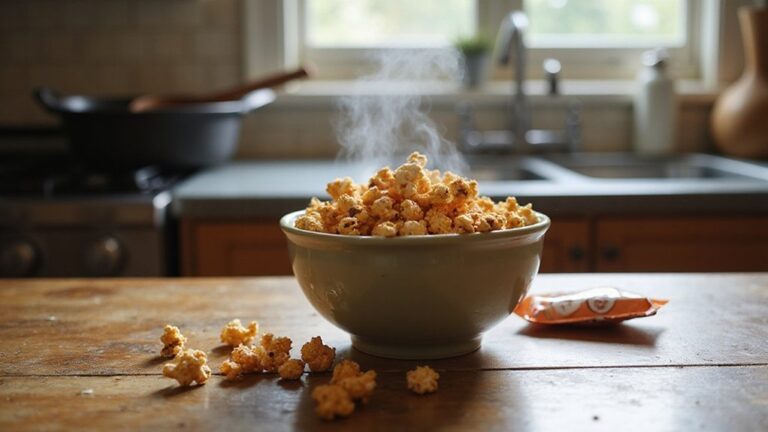
To make popcorn a healthy treat for your flock, keep portions small—about 1 to 2 tablespoons per hen. This amount provides a quick energy boost and some fiber without exceeding 10 percent of their daily caloric intake. Using plain, air-popped kernels ensures you avoid added fats, sugars, and sodium that come with butter, salt, or flavored popcorn. Steer clear of microwave popcorn varieties that are seasoned or contain artificial flavorings, as these can introduce unnecessary additives. Always pair popcorn treats with a nutritionally complete diet to maintain their overall health and monitor how frequently you offer it to prevent overfeeding. Remember, popcorn should be a fun enrichment rather than a primary food source. For guidance on safe fats, consult a resource like the best oil for maintaining fryer quality when considering similar principles for cooking treats. When setting up the treat station, ensure the kernels are kept dry and away from moisture to prevent spoilage, similar to how a chafing dish setup avoids steam damaging dry ingredients. For consistent warmth during treat time, consider using a heat lamp to keep the area comfortable without overheating the feed.