How Many Cups Are in a Pint of Ice Cream? Full Breakdown & Chart
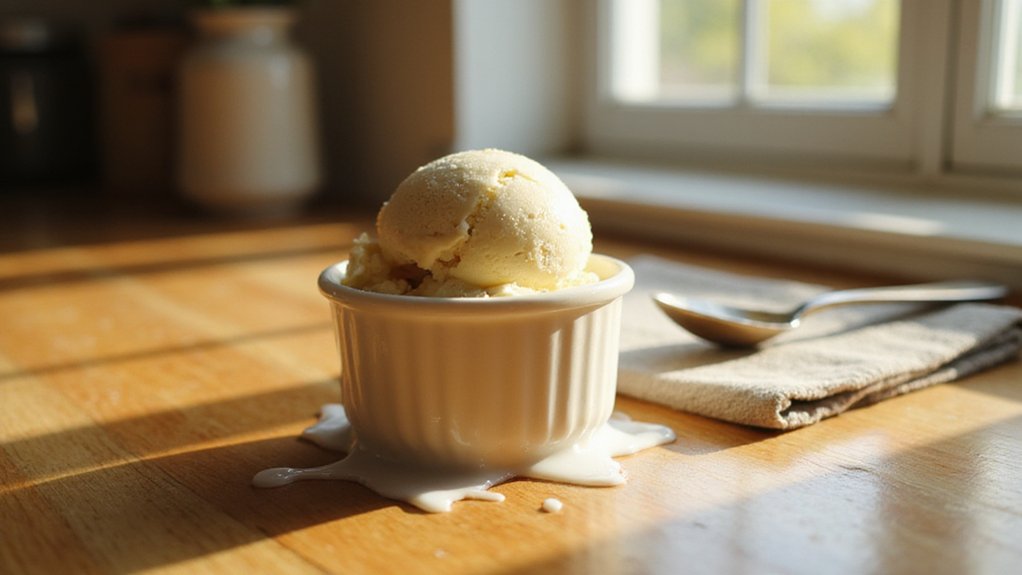
Ever wonder how many cups are in a pint of ice cream? The answer is typically two cups per US pint, which equals 16 fluid ounces or about 473 milliliters.
Knowing this can help you measure out servings accurately and follow recipes more precisely. Keep reading to get the full breakdown and helpful chart.
The Simple Answer: 1 Pint of Ice Cream = 2 Cups
One pint of ice cream equals exactly two cups. This measurement is standard in US sizing and applies regardless of flavor or brand. Knowing this makes it easy to divide your pint into two equal servings, each one cup. It also helps when following recipes that call for specific quantities or when planning portions for guests. You can even pair your ice cream with top popcorn picks from a dedicated popcorn maker for a perfect movie night treat. For the best quality, look for models that prevent freezer burn to keep your ice cream smooth and fresh. Using this conversion ensures consistent servings and simplifies meal prep or dessert planning. No need to guess—just split the pint in half to get two precise, one-cup portions every time.
Exact Conversions: 1 Pint = 2 Cups = 16 Fl Oz = 473 mL
Since you’re working with US pint measurements, the exact conversion is straightforward: 1 pint equals 2 cups. It also equals 16 fluid ounces or approximately 473 milliliters. You arrive at this precise milliliter value by multiplying 16 fluid ounces by 29.57353 milliliters per fluid ounce. This fixed relationship of 2 cups per pint comes from traditional US measurements. Be aware of international differences—such as the UK pint, which is larger at 568 milliliters—so avoid swapping them in recipes or labels. To maintain consistency, use 1 pint as equivalent to 2 cups, 16 fluid ounces, or 473 milliliters for accurate measurements and clear communication. For proper storage, freeze buns in an airtight container to prevent freezer burn and extend freshness.
Why a Pint Seems Smaller Than 2 Cups (The Air Factor)
The reason a pint can seem smaller than two cups is because of the air, or overrun, in the ice cream. Overrun is the air that is whipped into the frozen dessert, increasing its volume without adding more actual ice cream. Higher overrun means more air, which results in a lighter, fluffier texture and a feeling of less substance, even though the volume remains the same. For example, slushie machines also use aeration to create a light, icy texture, just as ice cream overrun affects its density. Similarly, the syrups used in these machines must have perfect sweetness to balance the texture created by the aeration. Choosing a sugar with a stable grain ensures the machine’s spinning head doesn’t clog, keeping the floss light and consistent.
This added air affects the density of the ice cream and influences how heavy or rich it feels. A high-overrun pint feels soft and airy, while a denser one feels heavier and more substantial. The key is to look at the net weight rather than just volume. Premium ice cream styles typically contain less air, making each pint feel more solid and filling. So, if a pint seems smaller, it probably contains more air, even if it looks the same as a less premium alternative.
How Many Scoops You Actually Get From a Pint of Ice Cream
You’ll get approximately 4 standard scoops from a pint of ice cream if you use a 1/2-cup scoop, which is the typical serving size. This is the most common benchmark, but the actual number varies depending on your scoop size. For example, using a #16 scoop (2 ounces) will give you about 8 scoops from the same pint. If you prefer a larger portion and use a #8 scoop (almost 4 ounces), you’ll get around 4 scoops. Going even bigger with a #4 scoop (8 ounces) results in only 2 servings per pint. Since the volume of a pint remains constant at 2 cups, your scoop size is the key factor in determining how many servings you can expect. To plan accurately, match your scoop size to your desired portion size rather than relying solely on the container. For a similar hands-off approach to consistent portioning, you might look for appliances that offer even heating to ensure your scooping experience pairs well with freshly made popcorn. This popcorn tradition began with ancient kernels discovered in Mexico that date back over 5,000 years. Just as a bag of popcorn’s kernel count is affected by kernel size, your ice cream scoop count is influenced by scoop dimensions.
UK vs. US Pints: Why Your British Recipe Might Be Wrong
A UK pint measures 20 imperial fluid ounces (568 mL), while a US pint holds only 16 US fluid ounces (473 mL). This 95 mL difference can significantly affect recipes. Using a US pint instead of a UK pint can result in a thinner consistency or runnier texture because you’re adding about 20% less volume than the recipe calls for. Conversely, substituting a UK pint in a US recipe can make your dish too watery with an overload of liquid. For example, when making dough, the difference between perfect soft pretzels and a soggy mess often comes down to using the correct pint measurement. Always check whether “pint” refers to imperial or US customary units before measuring. For the most accurate results, it’s best to switch to metric milliliters, ensuring you’re using the same volume standard regardless of the country. For those new to kitchen appliances, even a simple popcorn machine setup requires checking volume measurements if your recipe includes liquid ingredients. Similarly, if you’re using a hot dog steamer with bun warmer, the correct liquid volume is crucial to avoid overcooking or under-steaming your buns.
How to Measure a Pint Without a Measuring Cup
To measure a pint without a measuring cup, your best bet is to use tablespoons. Since one pint equals 32 tablespoons, you can count out that many for liquids or semi-soft foods. This method offers a reasonable level of accuracy when precise measurements aren’t necessary. For example, when making your own ice cream, you might find it helpful to know that Cuisinart machines with compressors can produce a smooth, consistent texture that makes measuring the final pint easier. For those choosing a container to store your homemade batch, top popcorn boxes also make excellent lightweight vessels for freezing or gifting ice cream. For a quick visual approximation, fill two standard drinking glasses to the same level; this roughly equals a pint. A typical coffee mug holds about 1 to 1.5 cups, so filling one mug and then partially filling another can help estimate a pint. These visual tricks are handy for casual cooking but may not be exact. If you need more precision, use a kitchen scale. Weigh your ingredient and, if you know its density, convert the weight directly to volume. Avoid unmarked containers since their measurements can vary, and rely on spoons or visual cues when flexibility is acceptable. For serving warm nachos alongside your homemade ice cream, a cheese warmer keeps the topping perfectly melted.
Quick Conversion Chart: ¼ Pint to 1 Gallon
A quarter pint equals half a cup, which is 4 fluid ounces. This measurement provides a convenient way to divide small amounts for recipes or servings. Knowing this can help you accurately portion ingredients or ingredients equivalents in your kitchen, especially when precise measurement matters for texture or flavor. Since a quarter pint is half a cup, you can easily scale up or down using standard cup measurements, making it straightforward to measure small quantities without special tools. For businesses using commercial slush machines, understanding these volume conversions ensures consistent batch sizes and syrup-to-water ratios.
Why Only US Liquid Pints Matter for Ice Cream
American ice cream labeling standardizes on the US liquid pint, which holds exactly 2 cups or 473 milliliters. Using this precise measurement is essential for accurate recipes, serving sizes, and nutrition calculations. Replacing the US pint with an imperial pint, which is approximately 568 milliliters, would throw off ingredient ratios and portion amounts. For consistent results, always stick with the US liquid pint when measuring or referencing ice cream quantities.