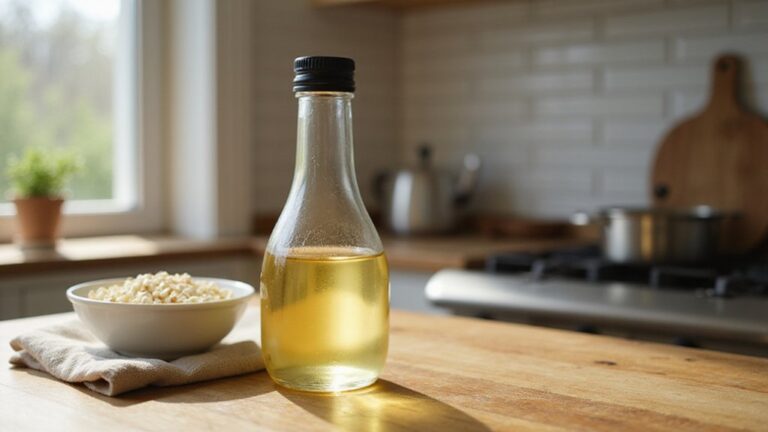

What Is Fryer Oil? Everything You Need to Know
Have you ever wondered what makes fried food perfectly crispy and flavorful? The key is the right kind of oil—specifically, fryer oil. It’s a liquid fat used for deep-frying that needs a high smoke point to avoid burning and harmful compounds.
Mastering how to select and reuse fryer oil can elevate your cooking—all the details are just below.
What Is Fryer Oil and Why You Should Care?
Fryer oil is a liquid cooking fat used in deep-frying because it transfers heat rapidly and evenly. Its condition directly affects whether your food turns out crispy, tasty, and safe to eat. Unlike solid fats like lard, fryer oil is composed of liquid fat, which undergoes changes with repeated heating and cooling. Fresh or properly filtered oil yields better texture and flavor, while degraded oil can produce off-flavors and burnt residues. Filtering fryer oil effectively helps remove burnt particles that accelerate degradation, extending the oil’s usable life. Proper handling and disposal are essential for safety—always cool the oil before touching it to prevent burns. Never pour hot oil down the drain, as it can clog pipes and harm the environment. Straining out food debris helps extend the oil’s lifespan, and used oil should be stored in sealed containers for responsible disposal. Just as different popcorn kernels vary in their oil retention and popping performance, choosing the right fryer oil type (like peanut, canola, or sunflower) affects the final crispness and flavor of your fried foods. For top results, ensure your freezer burn prevention is adequate when storing any unused oil long-term. Taking care of your fryer oil not only improves your food quality but also keeps your kitchen safer.
How Smoke Point Determines the Best Fryer Oil for Frying
The smoke point of your frying oil should be well above the temperature range you plan to cook at—typically between 320°F and 356°F. Ideally, choose an oil with a smoke point of at least 450°F. This margin ensures the oil remains stable during frying, preventing it from breaking down prematurely. When the oil exceeds its smoke point, it releases burnt flavors, reduces its lifespan, and can produce harmful compounds. Refined oils like peanut or soybean oil are popular choices because they usually have smoke points around 450°F or higher, giving you a safe buffer. Always prioritize oils with a high smoke point to maintain food quality and keep your fryer running efficiently. Just as with a slushie machine, you need consistent ingredient ratios to achieve the best results.
Best Types of Fryer Oil for Different Cooking Needs
Peanut oil is ideal for deep frying because of its high smoke point and rich flavor profile. It performs well at temperatures above 450°F, making it suitable for crispy fried chicken and similar high-heat applications. Its distinct nutty taste can enhance the overall flavor of your fried foods, offering a gourmet touch. However, if you’re concerned about allergens or cost, alternatives like canola or vegetable oil provide a neutral flavor and are typically more budget-friendly while still handling high temperatures effectively.
How to Store and Reuse Fryer Oil Safely
After frying, allow the oil to cool completely before handling. Use cheesecloth or a fine-mesh sieve to strain out food particles, which can accelerate spoilage. For heavily battered foods, perform a second strain to remove any remaining crumbs. Transfer the strained oil into a clean, airtight glass jar or its original bottle. Label it with the date and the type of food you fried to keep track of its freshness. Store the container in a cool, dark place such as a pantry, away from heat and sunlight. For longer storage, refrigerate the oil. Limit reuse to only a few times for similar foods to prevent cross-flavor transfer. Always check the oil’s smoke point and heat source settings to avoid burning when reheating. Discard the oil if it develops an off smell, darkens, foams, or starts to smoke at normal temperatures. Unlike whole popcorn kernels, which pose a choking hazard to birds and are not safe for them to eat, this oil reuse guidance focuses only on human food safety. For a clean alternative to cornstarch, use a fine-mesh sieve to effectively remove fine sediment without leaving residue.
When and How to Dispose of Used Fryer Oil
Once your fryer oil shows signs of being at the end of its life—such as a dark color, thick or foamy texture, or an off smell—that’s when you should dispose of it responsibly. Always allow the oil to cool completely before handling. Strain out any food debris to prevent clogging and pour it into a sealable container like an empty milk jug. Make sure the lid is tightly secured. If local regulations permit, you can then toss the container into the trash. For reuse in a different context, you could freeze it into blocks to make perfect ice shaver cubes for consistent results.
But consider the environmental impact. Pouring used oil down the drain can clog pipes and pollute waterways, harming wildlife. Recycling used cooking oil is a much better option. Many cities provide drop-off programs for used oil at certified collection sites. Check with your local public works department or waste management authority for details. Some collection services accept large volumes from home fryers, making recycling a straightforward choice. Turning used oil into biodiesel reduces pollution and supports sustainable energy, so whenever possible, select a recycling route over disposal in the trash.