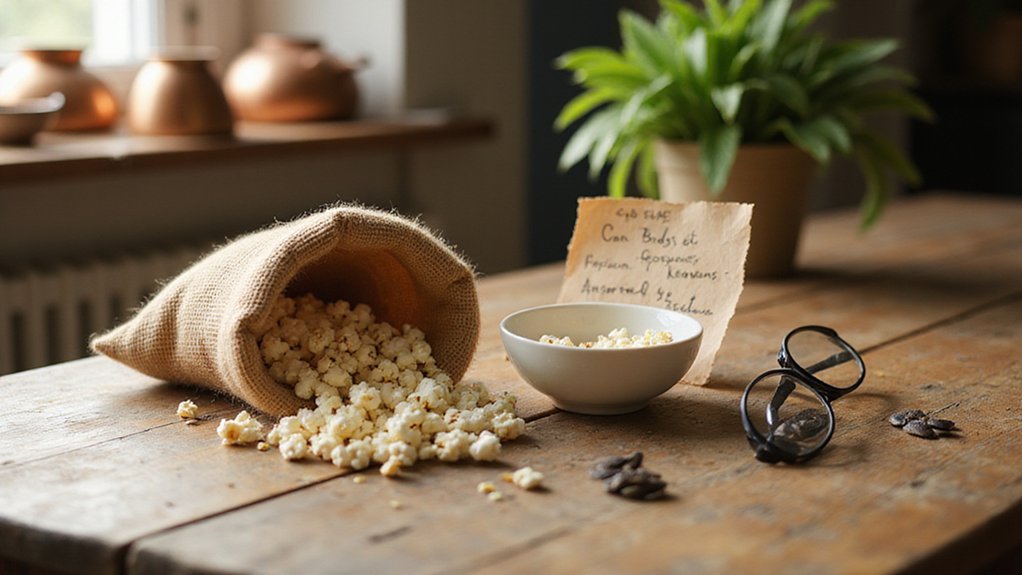
Can Birds Eat Popcorn Kernels? Answered by Experts
Wondering if birds can safely enjoy popcorn kernels? The answer is yes, but with important precautions. Unpopped kernels pose a choking risk and can cause internal injuries, even for large birds like parrots and crows.
Popped popcorn is much safer and easier for birds to eat. Keep servings small and occasional to avoid offering empty calories.
The rest of this guide explains what you need to know to keep your feathered friend safe.
Can Birds Eat Popcorn Kernels? Yes, But Only Selectively
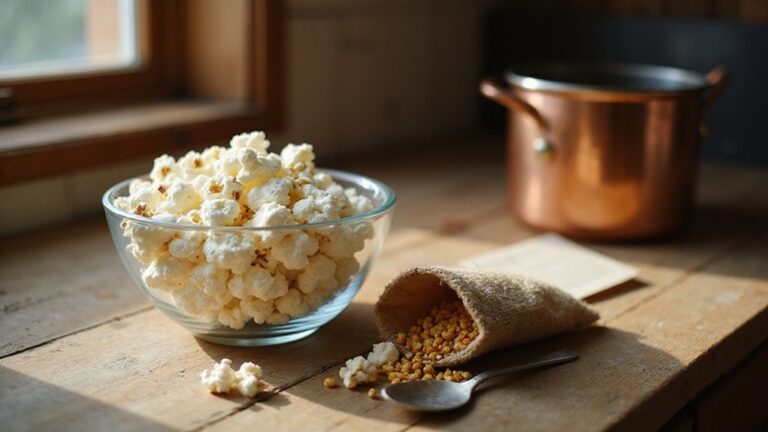
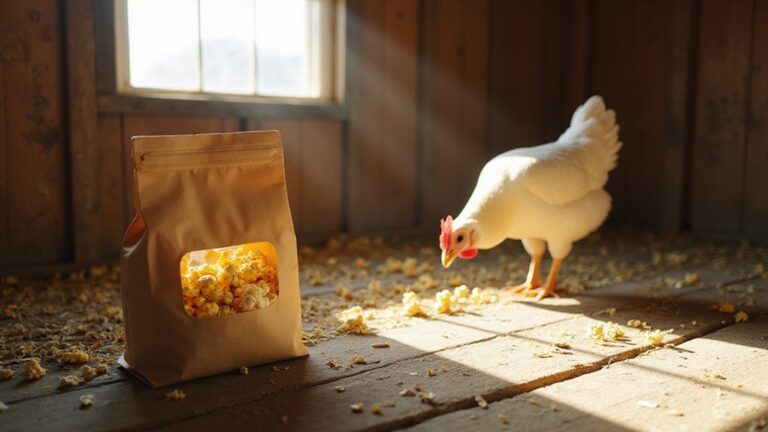
Birds that can eat popcorn kernels are typically larger species with stronger beaks, such as crows, jays, woodpeckers, or pigeons. These birds can crack open unpopped or hard popcorn kernels easily. Smaller birds, like finches or chickadees, need softened popcorn because their beaks aren’t strong enough to handle the unbroken kernels. Always feed plain, air-popped popcorn without salt, butter, or flavorings, and ensure it is fully cooled before offering. Breaking kernels into smaller pieces makes them easier for the birds to consume safely. Remember, popcorn should only be an occasional treat, not a primary food source. Store kernels in a cool, dry place to prevent spoilage, as even dry kernels can lose quality over time and become less appealing to birds. Serve only small quantities—such as a few pieces for small birds or a handful for larger ones—to avoid overwhelming them with low-nutrition carbs. This selective approach helps you provide a fun, enriching snack without disrupting their healthy diet. For best results, use a trusted popcorn machine to prepare kernels without extra oils or seasonings. To maintain a clean feeding area, dispose of leftover or uneaten popcorn properly to prevent attracting pests or causing mold growth, much like you would follow safe disposal practices for greasy kitchen waste.
Why Unpopped Popcorn Kernels Are Risky for Birds
Unpopped popcorn kernels are risky for most birds, especially smaller species like finches and chickadees. These tiny birds are at the highest risk of choking because the small size of their throats can easily trap the kernel. The kernel’s hardness makes it impossible for them to crack open without teeth, which birds lack. When swallowed whole, the kernel can cause crop impaction or block the digestive tract, leading to lethargy and a poor appetite. The sharp edges of the kernel can also cause internal cuts or lacerations, further harming the bird. Larger birds may manage to handle tougher kernels better, but it’s safer to always remove unpopped popcorn before giving any to your birds. For safe bird treats, consider quality and value options like soft foods that avoid hard, indigestible kernels. Using top paper bags for serving safe popcorn to birds can help ensure that no stray kernels reach the feeder. Bird owners should instead look for top popcorn picks that are fully popped and free of hard kernels.
How to Air-Pop and Serve Popcorn Without Salt or Butter
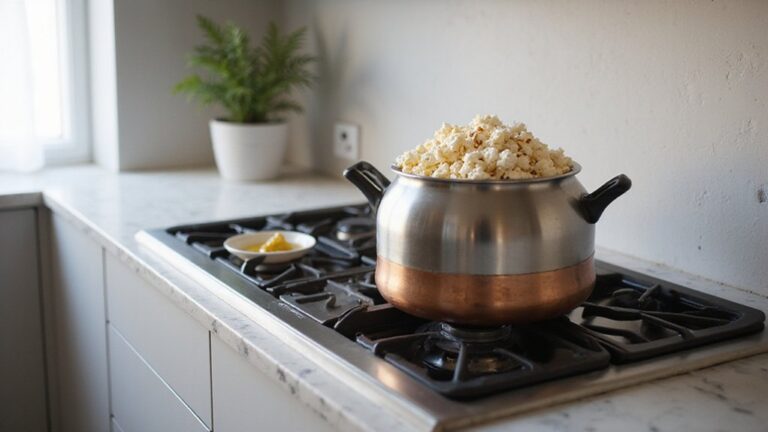
Air-popping popcorn is the best way to offer a safe, bird-friendly treat without salt or butter. Use a dedicated air popper to heat and expand the kernels until fully popped. Any unpopped or partially popped pieces should be discarded immediately to prevent ingestion of unready kernels. Additionally, it is crucial to remember that whole, unpopped kernels pose a choking hazard and can damage a bird’s crop. For context, many junk foods like candy floss contain high sugar levels that are unhealthy for birds and should never be offered. Allow the popcorn to cool completely before offering it to birds. Store leftovers in a dry, sealed container to keep it fresh and crisp. Remember, do not add any seasonings, artificial flavors, or sugar—serve only plain, unseasoned popcorn. When preparing for tiny birds, break larger pieces into smaller bits. Serve a small handful at a time in a clean feeder tray and remove any uneaten popcorn promptly to avoid spoilage. This treat should complement their regular diet of seeds, pellets, or fresh produce and not replace these essential foods. Always ensure you have exact measurements of kernels to avoid waste when preparing a batch for your birds.
Which Large Birds Can Eat Whole Popcorn Kernels?
Large birds with powerful beaks can eat whole popcorn kernels. Crows and jays, with their strong corvid beaks, easily crack and swallow kernels whole. Turkeys also handle them well thanks to their sturdy bills and strong gizzards. Pigeons swallow kernels whole and process them later in their crop. Large parrots crush hard maize-like kernels using their grinding bills. Gulls may also consume whole kernels when food is plentiful. Woodpeckers, equipped with chisel-like beaks, can break kernels apart. Stick to these species for safely offering whole popcorn kernels, and remember that they are best as occasional treats rather than everyday food. For those seeking a convenient preparation method, an air popper offers a way to serve popcorn without added oils or salt, keeping it a safer treat for these birds.
Is Popcorn Nutritional Value Worth It, or Just a Treat?
Popcorn’s nutritional value for birds is minimal and mainly serves as a treat rather than a nutritious food source. While it provides quick energy from carbohydrates, plain air-popped popcorn offers only small amounts of fiber, magnesium, and zinc—far below what your bird needs for a balanced diet. For home brew enthusiasts, a frozen drink machine can similarly serve as a fun occasional addition rather than a primary appliance. It lacks essential amino acids, vitamin A, and calcium, making it an incomplete food that cannot support core nutritional requirements. When choosing top fryer oils, the most popular options generally include those that emphasize quality, performance, and value. For context, a single serving of cotton candy contains about 14 grams of sugar, which highlights how even small treats can pack a surprising amount of carbohydrates. Offering popcorn should be done sparingly to prevent it from replacing nutrient-rich seeds, nuts, or formulated pellets. Its fiber content might aid digestion marginally, but this benefit is insignificant compared to the gaps in protein and vital minerals. Always choose plain, air-popped popcorn without salt or oil to keep it as a simple treat. Remember, popcorn is fun to offer occasionally but should never form a large part of your bird’s diet. Moderation is key to keeping your bird healthier and well-nourished.
Why Popped Popcorn Beats Raw Kernels Every Time
Popped popcorn is safer for your bird than raw kernels every time. The hard, dense shells of raw popcorn kernels are difficult for birds to crack without injury and can easily cause choking or digestive blockages. Their indigestible outer layers do not belong in a bird’s diet and pose significant health risks.
In contrast, popped popcorn is much softer and easier for birds to peck and swallow. You can break it into small, bite-sized pieces that suit birds of all sizes, eliminating the hard shell problem entirely. Just ensure it is plain, air-popped popcorn—omit butter, salt, and oil—since these additives can be harmful. Always remove any unpopped kernels before offering popcorn to your bird to prevent choking hazards. For safety and practicality, popped popcorn is the preferred snack over raw kernels.