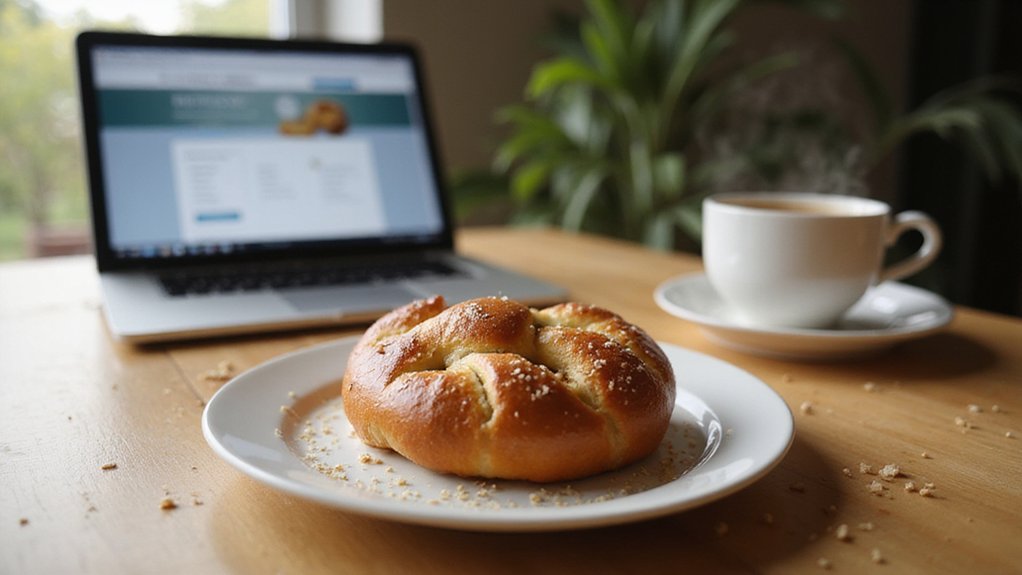
Do Soft Pretzels Have Dairy? Nutrition Facts Explained
Wondering if soft pretzels contain dairy? The answer isn’t always straightforward.
Many pretzels include ingredients like milk, butter, or whey, and even plain-looking options can hide dairy in the dough or glazes.
To stay dairy-free, you’ll need to check labels or ask about ingredients before biting into one.
Keep reading to learn exactly where dairy might be hiding in your favorite pretzels.
Are Plain Soft Pretzels Naturally Dairy-Free?
Yes, plain soft pretzels are typically dairy-free. They are traditionally made with simple ingredients like flour, water, yeast, and salt, which contain no milk, butter, or cheese. This makes them a safe choice for most dairy-free diets. Homemade versions especially are easy to keep dairy-free because they rely on water-based dough and a baking soda bath instead of milk or butter. For those seeking a dessert-style option, funnel cake mix can also be a dairy-free treat when prepared with water and without butter. However, not all pretzels labeled as “plain” are dairy-free. Some bakeries or stores might brush them with butter or add dairy products to improve softness. Always check ingredients labels or ask about the preparation process to ensure you are getting a dairy-free pretzel. For those who enjoy making snacks at home, a reliable ice cream maker can also produce dairy-free frozen treats using non-dairy milk. For those using a popcorn maker, pairing your snack with a dairy-free popcorn can offer a satisfying crunch without any milk ingredients. When you choose truly plain pretzels, you generally avoid dairy ingredients and can enjoy them with non-dairy dips like mustard or hummus.
Dairy Ingredients That Sneak Into Soft Pretzel Dough
Dairy ingredients can easily hide in soft pretzel dough, so always check labels carefully. While the basic dough can be dairy-free—using just water and flour—many bakers add milk instead of water to produce a softer, sweeter crumb. Melted butter is commonly stirred in for richness, but this makes it an obvious dairy component. Commercial pretzels often contain less obvious dairy ingredients like Dairy flavorings and Whey additives, which can be in dough conditioners or flavor enhancers. Look out for terms like whey protein concentrate, milk permeate, casein, and milkfat on ingredient lists. Even if the pretzel appears plain, any mention of milk, whey, or butter indicates dairy content. Always read ingredient panels carefully if you want to avoid dairy entirely. For those making snacks at home, consider using a top popcorn machine instead to ensure a completely dairy-free snack experience.
Butter Glazes: Why ‘Dairy-Free’ Pretzels Sometimes Aren’t
Even if the dough itself is dairy-free, a soft pretzel often isn’t because butter glazes are frequently added after baking. Vendors commonly use real butter, butter spray, or a buttery coating to give pretzels a shiny, golden appearance. This step turns an otherwise dairy-free base into a dairy-laden treat. The buttery finish is usually applied with a brush of melted butter or spray, not a dairy-free substitute. For those seeking a truly dairy-free snack, the difference between a butter glaze and a quality ice cream freezer is that the latter uses no dairy at all. For a more reliable snack option, you might compare the process to choosing between a top slushie machine for consistent quality.
Pretzel flavoring often relies on that buttery richness, so even if the dough avoids milk ingredients, the final coating adds dairy. Many assume that a “dairy-free” label on pretzels means the entire product is free of dairy, but that isn’t always the case. To ensure your pretzel is truly dairy-free, you need to ask be explicit about the glazing process. Request “no butter” when ordering or checking ingredients, especially at vendors that offer a variety of coatings.
Sweet pretzels are particularly risky because they almost always include a butter glaze. Always verify how the pretzel is finished—ingredients and techniques matter just as much as the dough in avoiding dairy. For a more reliable option, consider a popcorn machine with cart that uses plain kernels and oil, ensuring a dairy-free snack.
How to Read a Soft Pretzel Label for Dairy
Start by examining the ingredient list on the label. Look for dairy ingredients such as milk, butter, whey, casein, lactose, or cream. If you see only flour, water, and yeast, your pretzel is likely dairy-free. Next, check the allergen statement for a “Contains: Milk” line; this provides a clear indication of dairy presence. Remember, a claim of “dairy-free” isn’t enough—always verify by reading the full ingredient list. Be cautious of hidden dairy terms in toppings or fillings, like cheese powder or butter. Also, consider dairy alternatives listed on the label, but confirm if they are truly free from milk. The position of ingredients matters—those listed first are the most abundant. Lastly, look for “may contain milk” warnings, which indicate potential cross-contact risks during manufacturing.
Restaurant vs. Packaged Pretzels: Where Dairy Hides
Packaged pretzels allow you to check the ingredients closely. Reading labels helps you spot hidden dairy ingredients like milk, whey, or butter oil in the dough or toppings. Plain pretzels often stay dairy-free, but watch out for included butter packets—adding those would turn your snack into a dairy product. Making your own snacks from scratch is another option, and you can use perfect homemade nacho chips as a reliable dairy-free base for various toppings. For those seeking similar crowd-pleasing treats, funnel cake mixes also provide a simple, dairy-free alternative when prepared with water. For perfect texture, you can use a syrup-to-water ratio of four parts water to one part syrup in the machine from the start.
Nutrition Profile: What a Dairy-Free Soft Pretzel Contains
A dairy-free soft pretzel typically contains between 170 and 483 calories, depending on its size. Since it skips milk and butter, its calorie content mainly comes from the dough’s ingredients—flour, water, yeast, salt, and sugar. Carbohydrates are the dominant nutrient, providing 28 to 58 grams per pretzel. Protein ranges from 4 to 10 grams, which offers some muscle support, while fat remains low at 1 to 4 grams. The fiber content is modest, around 1 to 3 grams, contributing to digestive health but not enough to rely on as a primary fiber source. Sugar levels are minimal, generally 0 to 2 grams, making it a lower-sugar snack option. Just as Flavor is enhanced by sodium content, understanding how salt interacts with other ingredients can help navigate dairy-free claims. Sodium can be high, ranging from 135 milligrams to over 930 milligrams, largely depending on seasoning and dough additives rather than dairy. Be aware of hidden ingredients like soy oil, lecithin, or mono- and diglycerides in packaged pretzels, which might affect dairy-free claims. Enriched flour used for the dough supplies iron but provides low calcium, so it might not contribute much to daily calcium needs. When choosing or preparing a dairy-free pretzel, check labels carefully for potential dairy in seasonings or dough conditioners, especially if you have allergies or sensitivities. Reviewing roll ice cream machine features can help ensure your kitchen equipment supports consistent dough preparation. For commercial setups, selecting a reliable fuel gel ensures steady heat for warming the pretzels.
Dairy-Free vs. Vegan Pretzels: What’s the Real Difference?
Dairy-free and vegan pretzels differ significantly in their ingredients, even though people often confuse the two. Dairy-free pretzels do not contain milk-derived ingredients like butter, whey, or casein. However, they can still include animal products such as honey or eggs unless specified otherwise. Vegan pretzels, on the other hand, exclude all animal products entirely, which means no eggs, dairy, honey, or any other animal-derived ingredients. A pretzel labeled dairy-free might still contain honey, making it not vegan, while a vegan pretzel guarantees the absence of all animal-derived components.
Taste and ingredient choices reflect these differences. Dairy-free cheese seasonings may still rely on whey or other dairy derivatives, whereas vegan seasoning options use plant-based ingredients. Baking techniques also reveal distinctions: an egg wash on a pretzel makes it non-vegan, even if the pretzel itself is dairy-free. Always check the detailed ingredient list to be certain about what’s included, rather than relying solely on front-label claims. Reusing oil for frying, like in turkey fryers, can introduce cross-contamination risks if the oil has been in contact with dairy or other allergens. For those with allergies, products like those from No Whey Foods are made in a dedicated, gluten-free facility to prevent cross-contamination and ensure safety.
Cross-Contact: When a Dairy-Free Soft Pretzel Isn’t Safe
Cross-contact can pose a significant risk for dairy-free pretzels in food-court environments. Cheese dip stations, squeeze bottles, and staff hands can transfer milk proteins onto pretzels after they have been baked. Since the FDA does not require allergen statements for cross-contact, a “dairy-free” label doesn’t guarantee the pretzel is safe for those with milk allergies. When selecting a cheese for a nacho cheese dispenser, the best options are reviewed and compared for consistent performance to avoid potential cross-contact issues. To ensure safety, only pretzels prepared separately on dedicated equipment without exposure to nacho cheese dispensers or other milk products are reliable options.
How to Know for Sure If a Soft Pretzel Is Dairy-Free
To determine if a soft pretzel is dairy-free, start by checking the dough ingredients. Basic pretzel dough typically includes flour, yeast, water, sugar, salt, and oil, all of which are dairy-free. However, many enriched dough recipes add milk, butter, or whey, so avoid relying on the “plain” label alone. Always verify ingredient sourcing for any added dairy components.
Next, look at the pretzel’s toppings. Butter brushed on the surface is common, but you can substitute oil or vegan butter to keep it dairy-free. Be cautious with flavored finishes like garlic-parmesan, as they almost always contain dairy ingredients. Even gluten-free versions aren’t automatically dairy-free, since dairy products can still be included.
Finally, contact the bakery or manufacturer for confirmation if ingredient lists are unclear. An ingredient panel showing olive oil and water suggests a dairy-free option. If you see milk, butter, or vague terms like “natural flavors,” it’s safest to avoid guessing. Directly reaching out for clarification ensures you know for sure.
Why Every Dairy-Free Shopper Should Check the Label
You can’t assume a pretzel is dairy-free just by looking at it. Soft pretzels, even plain ones, might contain milk solids, whey, or butter in the dough or come with a separate packet of toppings. To spot these hidden dairy ingredients, check the ingredient list carefully, especially the “2% or less” section, which often lists minor amounts of dairy derivatives like whey, milkfat, or butter oil. Flavored or protein-enriched pretzels are also likely to include milk derivatives, so read these labels thoroughly. To achieve a truly soft and fluffy texture, bakers often add milk solids or butter to the dough, which is a key reason why many standard recipes contain dairy. Don’t rely on the ingredient list alone. Cross contamination from shared equipment or toppings like butter packets and cheese coatings poses a real risk of dairy presence. Always review the allergen statement for any mention of dairy, such as “Contains: milk.” If it says this, it’s a clear warning sign. Keep in mind that formulations can change without notice, so checking labels regularly is necessary. Trust the label, not just the pretzel’s appearance or assumptions. Just as with food safety, the same careful approach to checking equipment cleanliness applies when you choose a sanitizer for an ice machine. After use, drain and cool the oil completely to avoid burns and to prepare it for responsible disposal, such as recycling or sealing in a container for the trash.