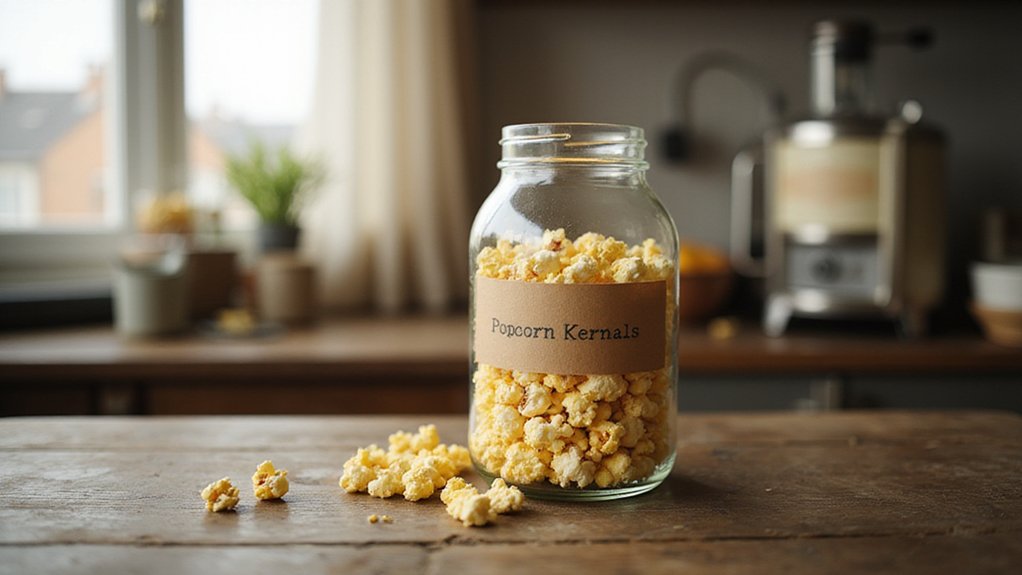
Kinds of Popcorn Kernels: Which One Pops Best?
Many people wonder which popcorn kernel pops the best.
The secret isn’t about size or color, but rather moisture content. Kernels around 13.5% moisture tend to deliver the best puff, giving you fluffy or dense popcorn depending on the type.
Keep reading to find out how to choose and store your kernels for perfect popping every time.
Popped Shape First: Butterfly vs. Mushroom – Which Kernel to Buy for Your Snack
The shape you choose depends on your preferred snack experience. Butterfly popcorn pops into irregular, winged shapes with protrusions, often called snowflake popcorn because of its unique look. These large, airy pieces are light and tender, making them ideal for a classic movie night. Mushroom popcorn, on the other hand, pops into round, compact balls. Its dense, sturdy texture provides a heavier, more substantial bite that feels chewy yet satisfying.
This shape difference also impacts how well coatings stick and stay intact. Butterfly popcorn offers more surface area with its wings, allowing seasonings to cling easily. However, because it’s more fragile, it can crumble during mixing or when coated heavily. Mushroom popcorn’s smooth, compact form resists breakage, making it better suited for heavy coatings like caramel or chocolate. It stays crisp longer and handles thick coatings without falling apart. If you want a fluffy, visually impressive bowl, go for butterfly. Pick mushroom when durability and a hearty crunch are more important. For those using a dedicated machine, the best popcorn for popcorn maker often lists mushroom kernels as the top recommended variety for consistent results. For pet owners, remember that soft pretzels are not safe for dogs to eat due to high salt and dough risks. Additionally, unpopped popcorn kernels pose a choking hazard and should never be fed to birds.
Does Unpopped Kernel Shape (Rice vs. Pearl) Actually Affect Popping Quality?
Kernel shape does impact popping quality, but not in isolation. Rice-shaped kernels, which are elongated and pointed, tend to pop more efficiently and produce larger, more uniform popcorn with fewer unpopped pieces. Pearl-shaped kernels, rounded and compact, generally have slightly lower expansion rates but can still produce good results. For serving large batches at events, using proper paper bags helps maintain popcorn texture and freshness.
The shape influences popping indirectly through factors like kernel geometry and density. Rice kernels often have a thinner pericarp and a shape that allows for more uniform heat distribution, leading to better expansion. Pearl kernels, being denser and rounder, may trap moisture differently, affecting how evenly they pop. Additionally, the type of oil used, such as coconut oil, can further affect how the kernels heat up and expand during popping.
For optimal popping, consider shape alongside other factors such as kernel moisture content, size, and pericarp thickness. While rice shapes generally outperform pearls in terms of expansion and unpopped kernel rates, the difference isn’t absolute. Ultimately, kernel shape is a secondary factor; moisture levels and kernel quality have a bigger impact on popping performance. For consistent results, maintaining proper kernel moisture is more critical than choosing between kernel shapes.
White vs. Yellow Popcorn Kernels: Which Color Pops Better and Why It’s Overrated
Color alone doesn’t determine how well popcorn pops. White kernels tend to have thinner hulls, which produce smaller, tender flakes with a milder flavor. They’re great if you want a more delicate texture or subtle taste that won’t overpower toppings or coatings. Yellow kernels usually have thicker hulls, resulting in larger, fluffier popcorn with a bolder, more robust flavor. This makes them ideal for those who prefer a classic, hearty popcorn experience. However, the color isn’t a guarantee of popping quality—different cultivars within each color group can pop very differently. So, it’s better to focus on the kernel variety rather than just color. For example, just as choosing the best steam table for saturated steam requires careful consideration of specifications, popcorn performance depends on the cultivar behind the kernels, not their hue. Similarly, party hosts aiming for efficient service might benefit from understanding that vintage swing-away ice crushers offer reliable performance and consistent results, much like choosing the right kernel variety ensures better popping. In essence, choose white for subtlety and yellow for boldness, but don’t assume color equals performance. The key is the cultivar behind the kernels, not their hue. For a similar reason, when storing bulk popcorn kernels, using a freezer with minimal air exposure helps preserve freshness and prevent moisture loss.
The Real Key to Great Popcorn: Kernel Moisture Content (Not Shape or Color)
Kernel moisture should be around 13.5 percent for optimal popcorn popping. This specific level ensures that kernels develop enough internal pressure with steam to explode fully without becoming tough or shriveled. If moisture drops below this point, you’ll encounter more old maids—kernels that fail to pop because they lack the steam pressure needed. On the other hand, excess moisture—above 13.5 percent—results in small, rough flakes that are chewy rather than fluffy. Proper moisture balance directly influences kernel hardness: hydrated kernels resist pressure just long enough to produce a perfect pop. For similar consistency in other treats, achieving the perfect slushie machine results also depends on precisely measuring and balancing liquid ratios to avoid excessive ice or syrup. The same principle of structural integrity applies to choosing a cone, where sugar cone durability matters more than visual appeal for holding dense toppings without crumbling. For candy floss, using the right sugar for candy floss ensures proper crystallization and fluffiness, just as moisture balance is key for popcorn.
Moisture also affects oil absorption. When kernels are at the correct level, they absorb oil evenly, enhancing flavor and texture. Without enough moisture, steam cannot build properly, increasing chances of mechanical failures like incomplete expansion. Conversely, too much moisture weakens the kernel’s structure, leading to poor popping and dense, broken kernels.
To achieve this, consider measuring the moisture content with a kernel moisture tester. Keep kernels stored in a controlled environment to prevent drying out or becoming too humid. Avoid relying on shape or color as indicators of readiness; focus solely on maintaining roughly 13.5 percent moisture for consistent, fluffy popcorn every time.
Your Popcorn Kernel Cheat Sheet: Match Variety, Shape, and Moisture to Your Plan
Butterfly kernels are larger and have irregular, winged shapes. Mushroom kernels are rounder, more compact, and even in shape. When choosing based on shape, consider your snack’s purpose: butterfly kernels provide a bigger surface area for seasoning, making them ideal for simple salt or butter coatings. Mushroom kernels are sturdier, which helps them hold up during heavy coatings like caramel or chocolate and in gourmet mixes. For a trusted choice, look for the top corn kernels reviewed on a dedicated comparison page. Similarly, choosing the right container for your snack is important, and reviewing the best cups for serving can enhance your overall experience.
Before popping, check the kernels. Butterfly types tend to look bigger and have angular edges, while mushroom kernels are smaller and rounder. Your snack style determines your choice: fluffy and fragile or dense and coated. For serious popcorn enthusiasts, a countertop ice cream maker shares a similar need for consistent temperature control to ensure the best final texture.
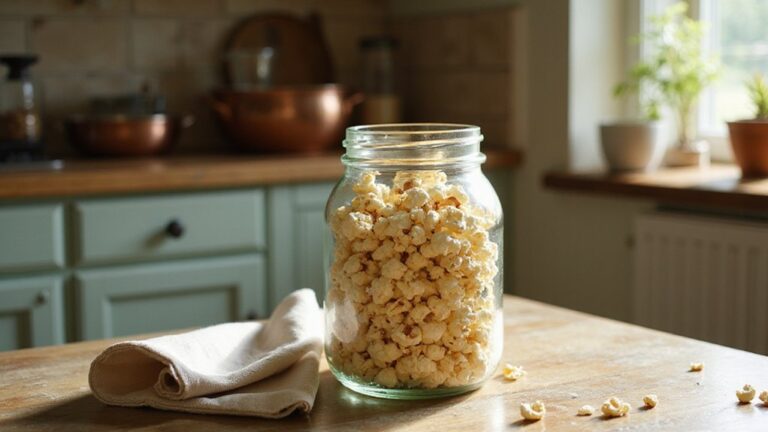
Storage is similar for both: keep kernels in airtight containers away from heat and light to prevent moisture loss. Dried kernels pop poorly, so avoid leaving them out where they can dry further. For casual snacking, butterfly is perfect. When durability is important, mushroom is the better option. That’s your cheat sheet for matching kernels to your plan.