How to Make Salt and Sweet Popcorn: Foolproof Recipe Guide
Ever wonder how to make perfect popcorn at home that’s not soggy or burnt? It’s easier than you think, and with just a few simple steps, you can get fluffy, evenly popped kernels every time.
Whether you prefer salty or sweet, the key is in the technique—getting the heat, oil, and timing just right.
In this guide, you’ll learn the foolproof method to achieve consistently delicious popcorn, no matter your flavor preference. Keep reading to discover the tricks that make all the difference.
Skip the Bag: Make Popcorn From Scratch
You can make popcorn from scratch without a microwave bag in just a few simple steps. Start with a heavy-bottomed pot or Dutch oven, preheating it over medium-high heat until the oil begins to shimmer. Drop in a few test kernels—once they pop, you’ve reached the right temperature. Then, add your full batch of popcorn kernels, remove the pot from the heat briefly, and let them sit for about 30 seconds to warm evenly. Return the pot to the burner with the lid on and shake gently to keep the kernels moving and prevent scorching. Keep the lid slightly ajar to let steam escape; this ensures your popcorn stays crisp instead of soggy. When the popping slows to about one pop every few seconds, remove the pot from the heat immediately. Pour the popcorn into a bowl, leaving any unpopped kernels behind. Serve right away to enjoy the freshest and crunchiest popcorn. To keep your work area safe, use oven mitts to handle the hot pot, as the high heat required for popping is similar to what a DIY chafing dish must manage. For the best results, use a 1:4 oil to kernel ratio by weight. For a sweet variation, you can stir the freshly popped kernels with a simple syrup mixture made from equal parts sugar and water, similar to the liquid base used in a slushie machine.
Choose the Best Kernels, Oils, and Salt
Select your popcorn kernels based on your desired topping. Butterfly yellow kernels are best if you plan to season with salt because their irregular surfaces help catch fine crystals. Mushroom kernels, which are denser and round, hold up better under heavier coatings like caramel. White popcorn offers a milder flavor, ideal for delicate toppings. Always opt for fresh kernels, as older ones tend to pop unevenly and produce less optimal popcorn. For a comprehensive comparison of top options, read Top Popcorn Picks for Your Popcorn Maker. Any countertop ice cream maker that prioritizes quality and value will also benefit from precise ingredient temperature control. Reviewing top ice cream makers can help you understand the importance of consistent temperature management.
For oil, pick one that allows precise temperature control. Refined coconut oil is excellent for recreating a classic theater-style flavor and can handle high heat without burning. Canola or grapeseed oil offer neutral, clean-tasting options and are good for everyday popping. Avocado oil, although more costly, also performs well but isn’t necessary for a standard batch. Always preheat your oil before adding the kernels to ensure even popping. Avoid oils with low smoke points—these burn quickly and can ruin your popcorn batch.
Finally, use popcorn salt or very fine sea salt. These ultra-fine crystals cling best to hot popcorn, providing even seasoning. Add salt immediately after popping while the popcorn is still steaming for maximum adhesion and flavor. Coarser salts like kosher or flaky sea salt tend to sit atop rather than stick, resulting in uneven seasoning. Morton Popcorn Salt is a super-fine salt designed to cling to popcorn and other snacks for consistent flavor.
Pop Perfectly Fluffy Kernels Without Burning
To achieve perfectly fluffy popcorn without burning, the key is controlling heat and movement in your pot. Use a heavy-bottomed pan preheated over medium heat, starting with a single test kernel. Once it pops, add a single layer of kernels along with a small amount of oil. Shake the pot side-to-side constantly to distribute heat evenly, ensuring each kernel has a chance to pop without burning. Keep the lid slightly ajar to allow steam to escape, which helps the popcorn stay crisp and fluffy. Listen carefully for the pops; when they slow to one every 2-3 seconds, remove the pot from the heat. Let the residual heat finish popping the remaining kernels. Avoid overfilling the pot, since a single layer maximizes popped kernels and minimizes burning. Use clarified butter (ghee) for a higher smoke point to prevent burning at high temperatures. For consistent results, maintain a steady medium heat just like a slushie machine keeps its mixture at a precise temperature to avoid crystallization. For a sweet treat, consider using candy floss sugar in a dedicated machine to create fluffy spun sugar instead. For a different approach to achieving perfect texture, many cooks also rely on funnel cake mix for batter-based treats. Serve immediately to enjoy the popcorn at its fluffiest.
Season With Classic Salted Popcorn
To achieve perfectly seasoned salted popcorn without clumps or bland patches, start with about 1/4 teaspoon of salt per 3 cups of popped kernels. Use ultra-fine salt for even coverage; it dissolves and adheres better than coarse salt, preventing uneven salting. Apply the salt while the popcorn is still warm, which helps it stick more effectively and enhances flavor. Instead of pouring all the salt at once, sprinkle it gradually while tossing the popcorn in a large bowl or bag to distribute it evenly. A light coating of oil or melted butter helps the salt cling, but keep it minimal—straightforward and clean flavor is key. Taste the popcorn as you go and adjust the salt lightly to avoid overpowering or under-seasoning. For those who prefer a richer, dairy-free option, you could consider using a high-quality neutral oil, though proper cold storage is crucial to prevent any oil or butter from turning rancid and compromising the popcorn’s freshness. Following these steps ensures an even, balanced salt flavor every time.
Make Sweet Popcorn Two Ways
To make sweet popcorn two ways, you start with basic popcorn and add your toppings using these two methods: kettle corn and caramel corn. For kettle corn, heat oil in a large pot with a few test kernels until they pop. Once they pop, add fine sugar and continuously shake the pot to coat the popcorn evenly as it finishes popping. The constant motion prevents burning and creates a light, crisp candy coating. Finish by sprinkling a bit of salt to balance the sweetness. Fine sugar melts faster than coarse, ensuring an even, smooth coating. For the healthiest option, choose an oil with a high smoke point like avocado oil to prevent burning and preserve the clean flavor of the kernels. Storing leftovers in an airtight container helps maintain freshness and prevents spoilage, just as with homemade ice cream. Beginners often forget to preheat the pot thoroughly before adding kernels, which can lead to uneven popping.
Caramel corn requires making a sugar syrup heated to 250°F, which is the soft crack stage that produces a sticky, buttery caramel. Carefully pour the hot syrup over freshly popped popcorn in a large mixing bowl. Stir vigorously to coat all kernels evenly, then spread the coated popcorn on a baking sheet to cool and harden into crunchy clusters. Both methods can be customized with flavors like cinnamon, vanilla, or even these alternative toppings: cocoa powder and shredded coconut flakes. Let each batch cool completely before storing in airtight containers to maintain freshness and crunch.
Balance Salt and Sweet in One Batch
Balancing salt and sweet in one batch typically involves a ratio of about 1 to 2 teaspoons of salt per 16 cups of popped corn. Starting with this ratio gives you a base to fine-tune the flavor to your taste. Use seasoning layering: dissolve part of the salt into your warm coating to evenly distribute it, then reserve a portion for a final sprinkle. This method builds flavor intensity without making the popcorn taste overly savory or salty. Popcorn salt is a finely ground salt that adheres better to kernels due to its extra-fine texture, preventing uneven seasoning. After the first toss, taste a few kernels to assess the seasoning. If it tastes flat, add a light pinch of salt to sharpen the flavor. If it’s too sweet, gradually increase the salt instead of adding more sugar. Always toss the popcorn while warm so the seasoning adheres evenly and prevents salty pockets from forming. Adjusting the salt gradually ensures a balanced, satisfying flavor profile without overwhelming sweetness or savoriness.
Try Brown Sugar, Caramel, and Spiced Variations
To incorporate brown sugar, caramel, and spiced variations into your popcorn, start by choosing your flavor focus. For a warm, molasses-like glaze, melt butter, add a cup of brown sugar with a pinch of salt, and pour it over your popped kernels. Toss to coat evenly for a soft, flavorful coating. To make a chewier caramel version, combine brown sugar with corn syrup, butter, and salt. Heat the mixture to 235°F to reach the soft-ball stage, then off heat, stir in vanilla and a pinch of baking soda. Spread the caramel-coated popcorn on a lined sheet and bake at 250°F, stirring every 10 minutes for an even crunch. Before starting, ensure your popcorn machine is clean by following a step-by-step cleaning routine to prevent burnt residue from affecting the fresh batch. Spicing things up is simple—add ground cinnamon into the sugar mix before pouring or sprinkle it on while the popcorn is still warm. This enhances the flavor and adds a comforting aroma. For extra depth, bake the coated popcorn longer to deepen the amber hue and crunch. Finishing with a dash of finishing salt balances the sweetness and elevates the overall flavor profile.
Fix Soggy, Burnt, or Barely-Seasoned Popcorn
If your popcorn is soggy, burnt, or bland, you can fix it without starting over. To address soggy kernels, spread them in a single layer on a baking sheet and dry at 250°F for 5 to 15 minutes. This process helps restore freshness by releasing trapped moisture and letting steam escape. For burnt popcorn, remove any dark or charred kernels immediately to prevent bitterness from spreading through the batch. If the popcorn is bland, add seasoning while it’s still warm. A few drops of oil or a light spray can help salt and other spices cling better without making the popcorn greasy. Toss the popcorn thoroughly to distribute the flavor evenly. To absorb excess oil and moisture, place the popcorn on a paper towel-lined tray before reseasoning. These quick steps can save your snack and give it a fresh, tasty finish. Just as with ice machines, proper sanitization ensures that your tools and surfaces remain free from contaminants that could affect the final taste and safety of your food.
Cool, Store, and Keep Popcorn Crunchy
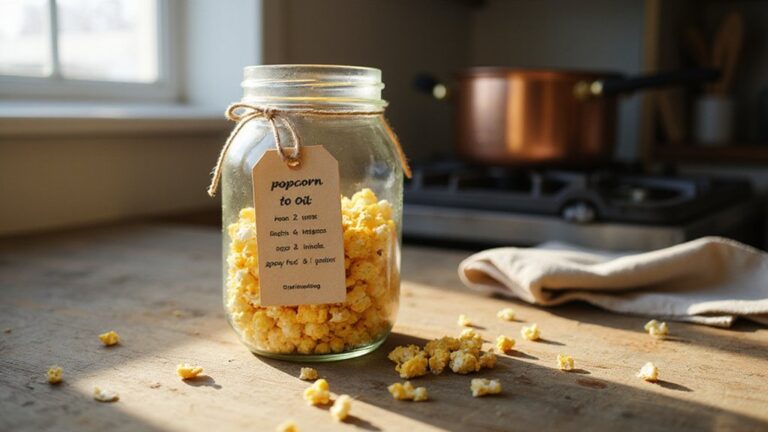
To keep popcorn crispy, make sure it is completely cooled before sealing it away. Spread the popcorn in a single layer on a tray to allow any residual steam to escape. This prevents condensation inside your storage container, which can quickly soften the popcorn. Once cooled, transfer it to airtight containers such as glass jars with rubber seals or locking plastic tops. If you use zip-top bags, squeeze out as much excess air as possible before sealing. Store your popcorn in a cool, dry place like a pantry, away from stoves and direct sunlight. Avoid refrigeration, as moisture introduced by cold temperatures can ruin its texture. For extra flavor, consider adding top popcorn seasonings that balance salt and sweet profiles without adding excess moisture. Plain popcorn naturally stays crisp longer, but if you’ve added butter or wet toppings, seal it tightly and consume it soon. Those layers tend to turn soggy quickly once exposed to humidity. This method of storage helps preserve the crunch for days.
Batch Sizes for Parties, Movie Nights, and Gifting
For party gatherings, plan for about 3 to 4 cups of popcorn per guest. This amount ensures everyone has enough and creates a lively atmosphere. For a family movie night with two people, just 1/4 cup of kernels is enough initially, as it yields approximately 7 to 8 cups of popped popcorn. This gives you plenty to share and enjoy together. When gifting, fill small favor bags with 1 to 2 cups for individual treats, or use large bags holding 8 to 10 cups for more substantial gifts. Incorporate your favorite flavorings before portioning to add a personal touch. Always match your batch size with appropriate packaging—small cellophane bags for favors, large tins for corporate or bulk gifts. Remember to pop a little extra, as homemade popcorn tends to disappear quickly.