What Is in Kettle Corn Popcorn? Everything You Need to Know
Ever wonder what makes kettle corn uniquely sweet and crunchy? It’s surprisingly simple: just four basic ingredients come together to create that irresistible snack.
With the right balance of popcorn, oil, sugar, and salt, you can achieve that signature glossy coating and perfect crunch every time.
Keep reading to learn how these ingredients work together to make kettle corn so special.
What Exactly Is in Kettle Corn Popcorn?
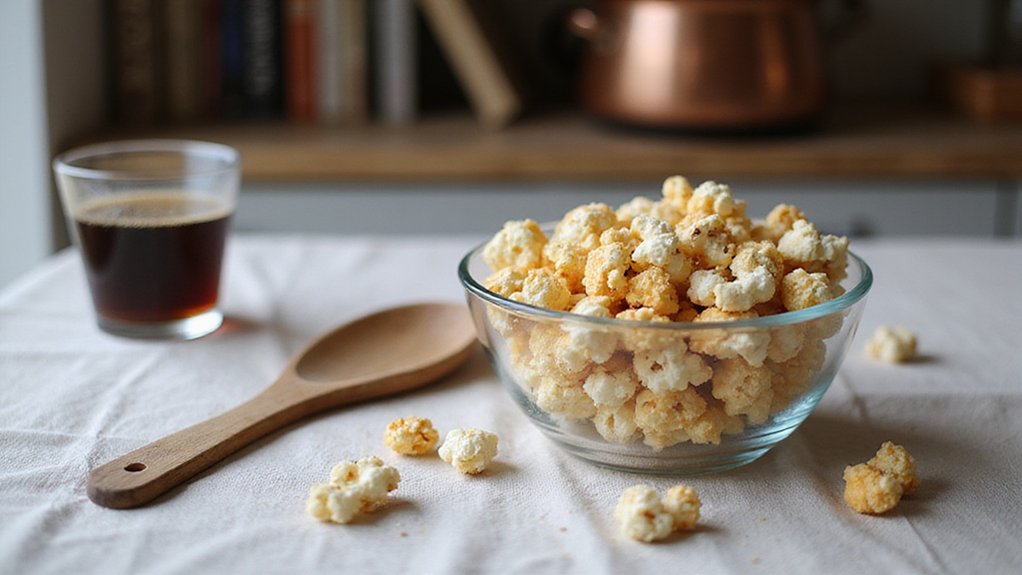
Kettle corn is made with just four main ingredients: popcorn kernels, sugar, salt, and oil. The process begins with heating the kernels in a neutral oil like vegetable or canola oil until they pop. As they burst, sugar and salt are added directly to the pot, creating a flavor infusion that coats each piece with a light, caramelized glaze. This coating provides a balanced sweet and savory taste without forming a thick shell. The oil ensures even heat distribution and a crispy texture, while the sugar melts into a delicate coating rather than a hard candy shell. No need for fancy ingredients—classic kettle corn relies on simple pantry staples to deliver that traditional snack flavor. For a consistently crisp result, precision in temperature control is key, much like how the best countertop makers maintain even freezing for optimal texture. Using a machine designed for stirring and even heating can replicate the professional kettle corn results found in commercial settings. When using oil and sugar in a large batch, selecting a reliable heat source ensures the coating melts evenly, much like how top chafing dishes provide consistent warmth for perfect catering.
What’s the Perfect Ratio of Kernels to Sugar for Kettle Corn?
What’s the Perfect Ratio of Kernels to Sugar for Kettle Corn?
The ideal ratio of kernels to sugar for kettle corn is typically around 2 parts kernels to 1 part sugar by volume. This means starting with about half a cup of kernels to a quarter cup of sugar. This ratio creates a balanced sweet and salty flavor without overwhelming the popcorn or burning the sugar. If you prefer a sweeter, more caramel-like coating, you can increase the sugar to roughly 1/3 cup for every half cup of kernels. Keep in mind that extra sugar cooks faster and can burn easily, so adjusting the heat and stirring frequently is essential. For larger batches, a ratio of 1 cup of kernels to between 1/3 and 1/2 cup of sugar works well, allowing you to scale up while maintaining flavor and texture. Adjusting the sugar amount based on your taste and batch size helps you achieve the perfect balance of sweetness and saltiness without sacrificing burn safety. For consistent results, a slushie machine requires precise ingredient ratios to prevent burning and ensure proper texture. Mastering these measurements is similar to how professional bakers rely on exact measurements to achieve perfect, uniform results every time. When selecting your sugar and salt, opting for top salted popcorns can help you benchmark the ideal flavor balance against proven commercial recipes.
5 Simple Substitutions for Healthier Kettle Corn
Replacing refined sugar with natural sweeteners like stevia or erythritol blends such as Truvia can significantly cut added sugars in your kettle corn. These substitutes coat the popcorn kernels just like granulated sugar, giving you that classic sweet flavor without the high calorie count. Using these alternatives helps you enjoy a sweet-tasting snack while keeping sugar intake low. Just be sure to adjust the quantity since some sweeteners are sweeter than sugar, to prevent overly sweet popcorn. For those serving large groups at events or parties, consider pack sizes and portions to ensure you have enough coated kernels for every guest. Choosing the best kernels, such as premium popcorn varieties, ensures better popping performance and flavor even with natural sweeteners. For the best results, refer to a top popcorn picks guide that compares the options for your popcorn maker.
Kettle Corn Nutrition: Calories, Sugar, and Fat Per Cup
A typical cup of kettle corn contains between 35 and over 100 calories. The variation depends on the brand and recipe you choose. Lighter, airier versions tend to have fewer calories, while denser, sweeter types with more oil and sugar can climb well above the lower end. Sugar content can range from nearly zero up to about 6 grams per cup, with added sugars in some recipes increasing the count. Fat content varies from approximately 1.6 to 5.3 grams per cup, influenced by the amount and type of oil used. If you want a simpler preparation at home, you should know that cooking popcorn in olive oil is safe but has a lower smoke point than many other oils, which can affect flavor and may create off-tastes. Because serving sizes differ—some brands measure one cup as 1 cup, others 1.5 cups—the nutrition numbers shift accordingly. Always check the label for specific details and keep in mind that the density and flavor of the kettle corn impact its nutritional profile. For those on restricted diets, it is important to note that unlike soft pretzels, kettle corn is naturally gluten free when made from plain popcorn and simple ingredients. Best ice cream freezers prevent freezer burn, which can similarly degrade the quality and texture of stored snacks like kettle corn.
How Sugar, Salt, and Oil Create That Sweet-Savory Crunch
Sugar, salt, and oil work together to create that distinctive sweet-savory crunch. Sugar provides the glossy coating and that initial burst of sweetness, forming a thin layer that hardens as the popcorn cools. Salt enhances the flavor by sharpening the taste, making the sweetness appear brighter and more balanced. Oil ensures even heat transfer, allowing the kernels to pop thoroughly and helping the sugar melt smoothly into a micro-thin glaze. Maintaining the correct oil temperature is critical for even heating and preventing the sugar from burning. For the best results, choosing top popcorn boxes helps preserve the crunch and prevent sogginess during storage. A cheese warmer can also help keep toppings hot and melted for serving.
When you add sugar during popping, it clings to the hot kernels. Constant shaking is essential to prevent scorching and ensure an even coating. As the popcorn cools down, the sugar hardens into a crisp, shatterable shell that adds to the overall texture. Salt is added last, finishing off the flavor with a bright first impression followed by a salty finish. This process results in a thin, even coating that’s neither fully caramel nor dry, delivering that perfect sweet-savory crunch.